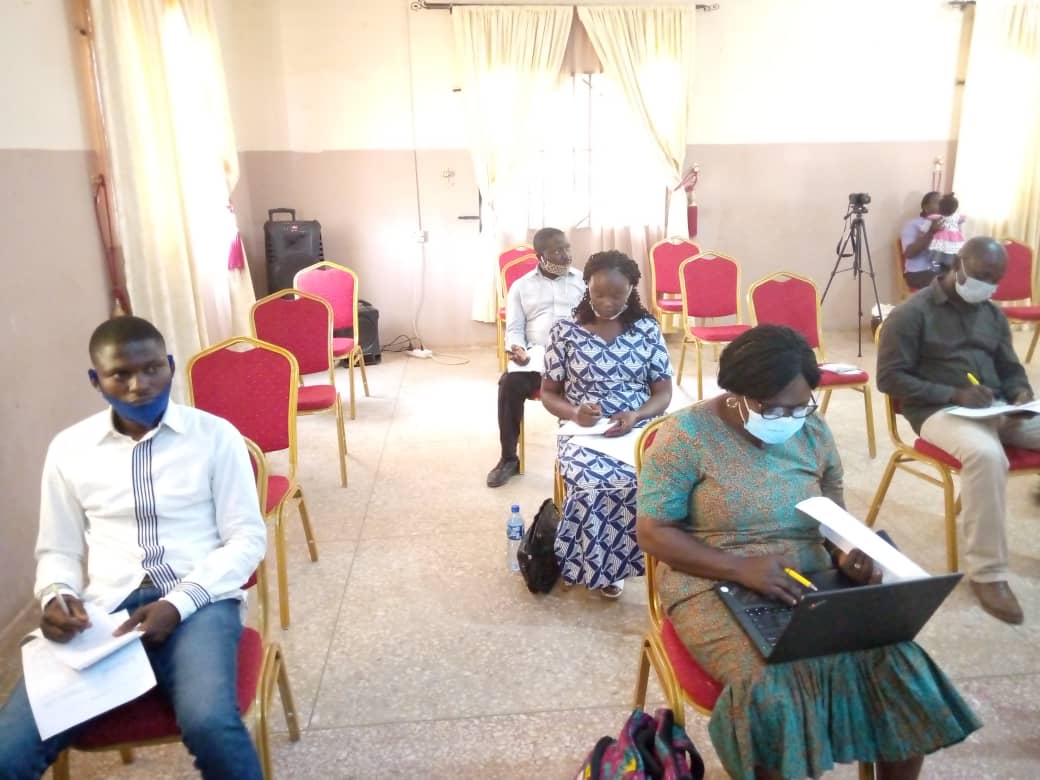
The Plateau Media For Family Planning has called on Government at all levels to strengthen commitment to Family Planning programs which is contained in the concurrent list. The charge came during a media round table with the theme “BRIDGING THE FUNDING GAP ON FAMILY PLANNING SERVICES IN PLATEAU STATE”.
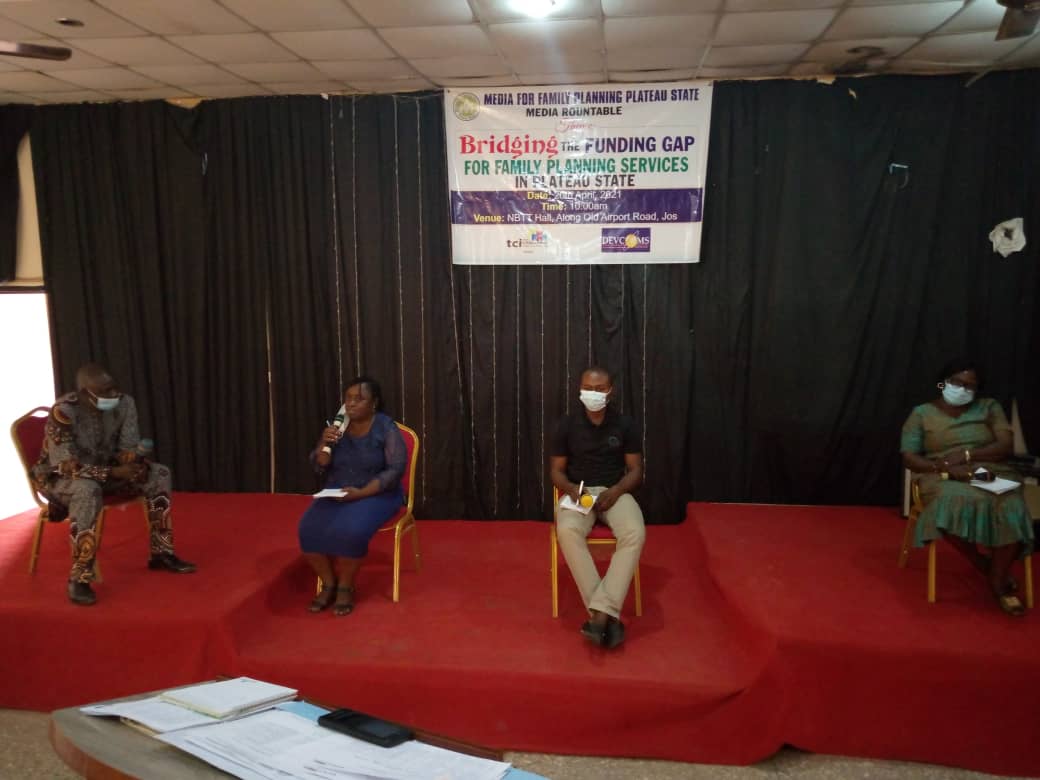
The event which began around 10am saw in attendance representatives from the civil society, journalists from electronic, print and online media platforms, as well as media representatives from MDAs in the state. Opening remarks were received from the Plateau Media for Family Planning, led by the Chairperson Gwamkat Gwamzhi, The-Challenge-Initiative (TCI) led by the State Program Coordinator Dr Philemon Yohanna and Development Communications (DevComms) led by the State Focal Person Mr Wika Gofwen.
There were paper presentations by the Family Planning Coordinator, Plateau State Primary Health Care Board on the Topic “OVERVIEW OF FAMILY PLANNING SITUATION IN PLATEAU STATE” and another by the Voice of Family Planning and Reproductive Health Center on the topic “BRIDGING THE FUNDING GAP ON FAMILY PLANNING SERVICES IN PLATEAU STATE”.
There was a panel discussion which gave journalists the opportunity to ask questions about efforts and challenges in the implementation of Family Planning, especially funding.
It was observed that while there might be annual budgetary provisions for Family Planning, cash releases to that effect has been very slow and very little. For example, it was observed from sources that only two million naira (N2,000,000) of the budgeted twenty-three million naira (N23,000,000) has been released.
The Group called on Government to increase budgetary releases (cash releases) to ensure smooth implementation of Family Planning/Child Birth Spacing programs are implemented.
Statistics show that Plateau occupies 1st Position among states with increased use of modern Family Planning Methods (21.4%) in North Central Nigeria.

 Nigeria Star News