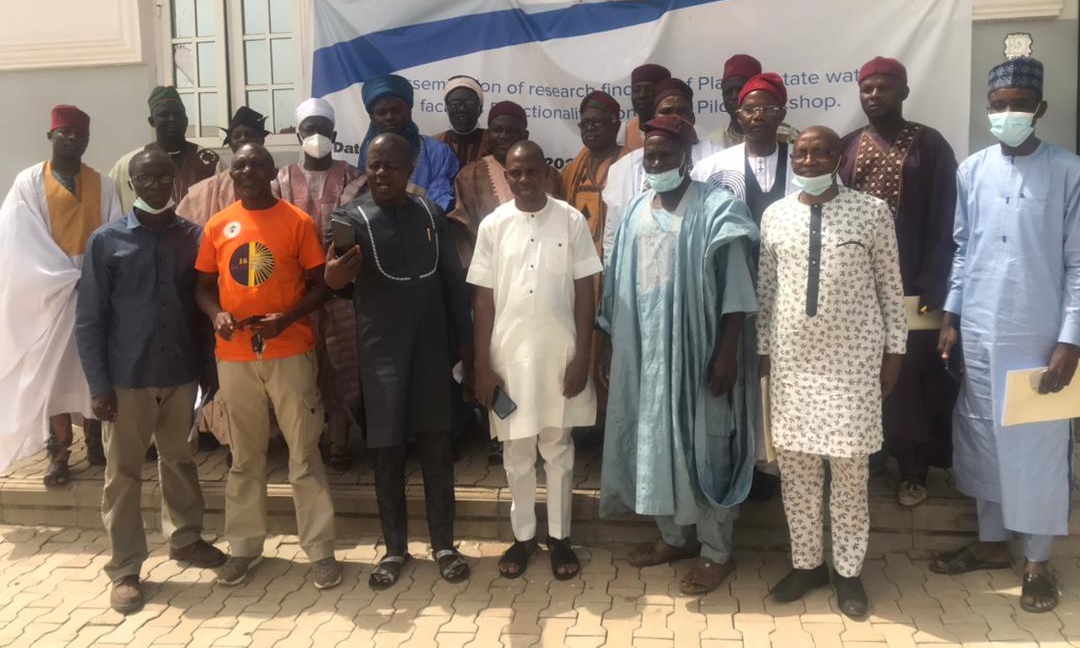
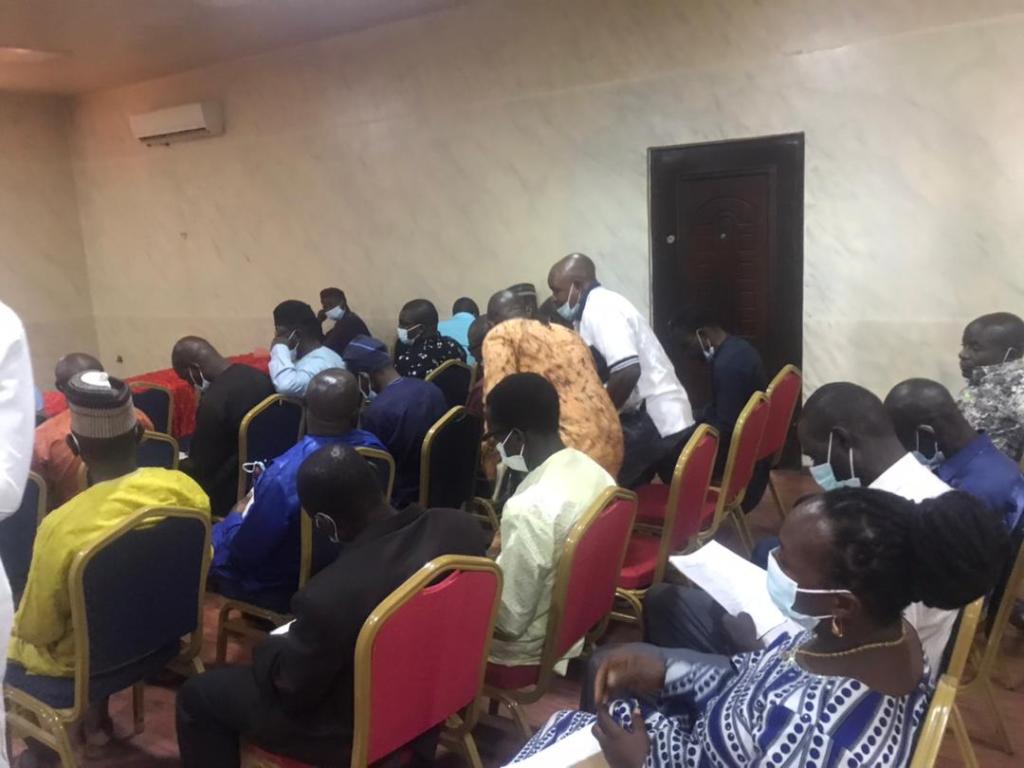
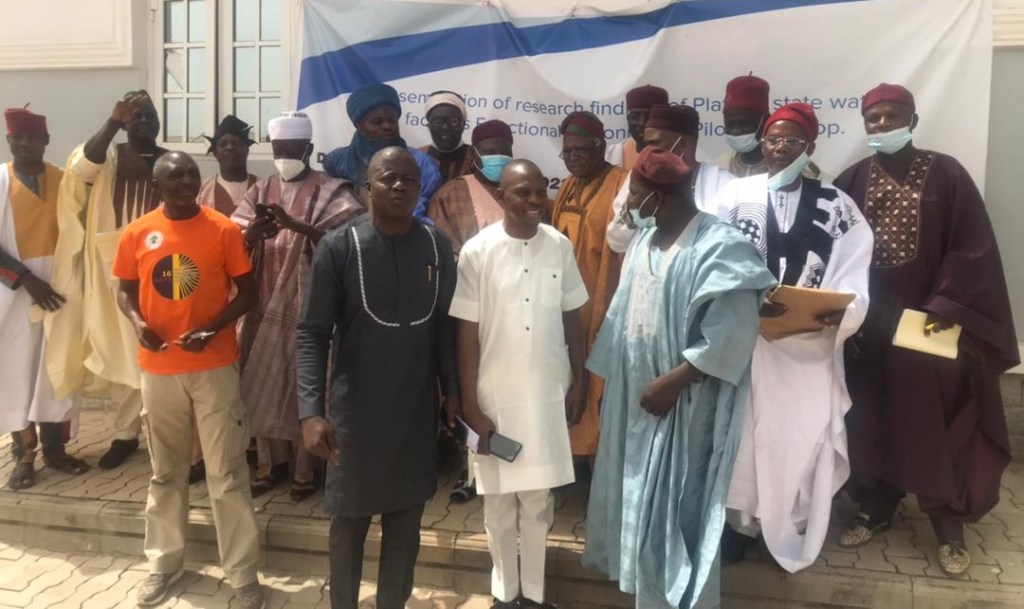
Plateau State Rural Water Supply and Sanitation Agency (PRUWASSA) has organized a workshop put in place to disseminate the report of the World Bank supported Rural WASH pilot project in Plateau State. The workshop featured stake holders from various communities: district heads, Directors “WASH” from all the 17 Local Government Areas of Plateau State.

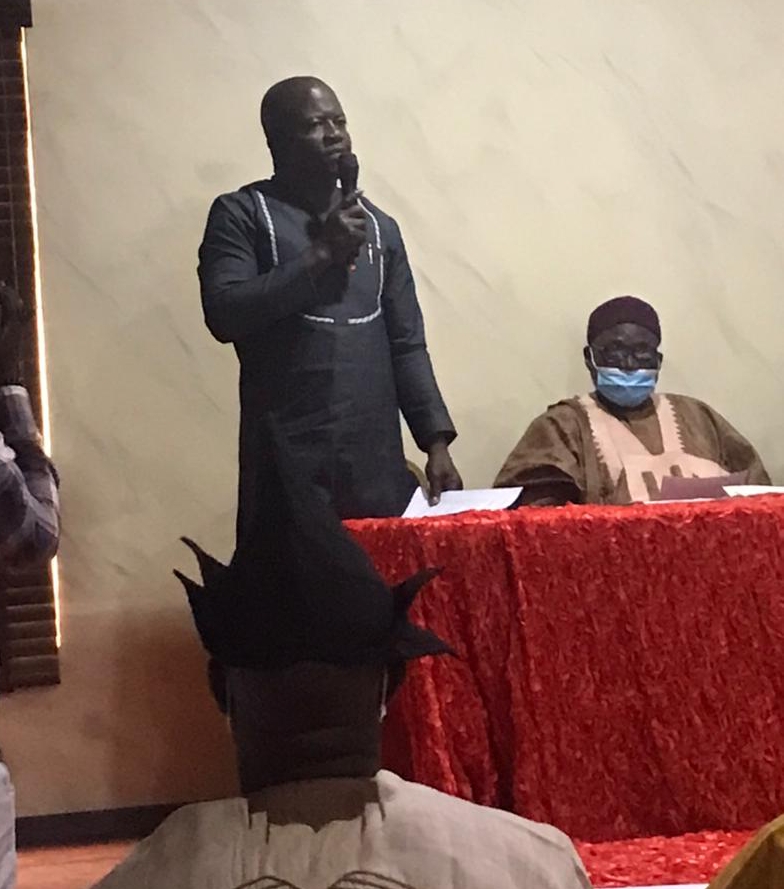
Speaking at the event, General Manager, Plateau Rural Water Supply and Sanitation Agency (PRUWASSA), Engr. Peter Kassam noted that the project which is the first of its kind employed the use of remote sensing technology to track functionality of water facilities in both urban and rural areas of Plateau State. This system promises to eliminate challenges posed by the old approaches used in monitoring WASH interventions.
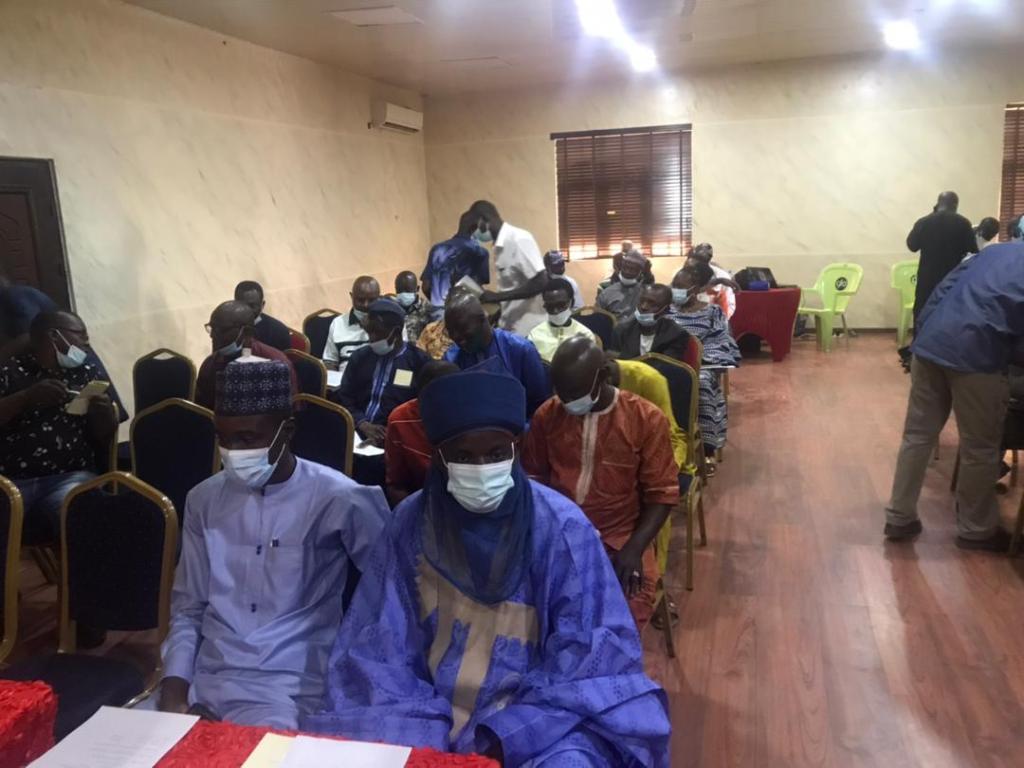
The purpose of the project was to enhance the sustainability of rural water services by leveraging innovative technology which captures real-time data from sensors installed on a sample of water points in selected communities of Plateau State. It is expected that the outcome of the study which was disseminated today, would be used in making decisions from informed perspective.
The project was contracted to Sweetsence Company as an International partner and WaterAid Nigeria was brought in as a Local NGO. But constrained by the COVID-19 pandemic which led to the imposition restrictions on international travels, Sweetsence handed over the entire process to WaterAid, with Plateau Rural Water Supply and Sanitation Agency as an Implementing Agency. Its worthy to note that the Pilot project in Plateau State, Nigeria is the second in Africa after Kenyan and 3rd in the World after Colarado (USA) as of 2019. Recently Ethiopia has been added to the number.
WaterAid Nigeria and PRUWASSA Staff were both trained on the technicalities of Sensor installations and Mwater inventory. The sensor installations commenced in late 2020 and ended in early 2021. A total of 400 water facilities were identified in the 17 LGAs and Sensors were installed in 200 out of the 400 facilities. The remaining 200 were used as control, to compare the rates of functionality by phone calls to establish the ground truth.
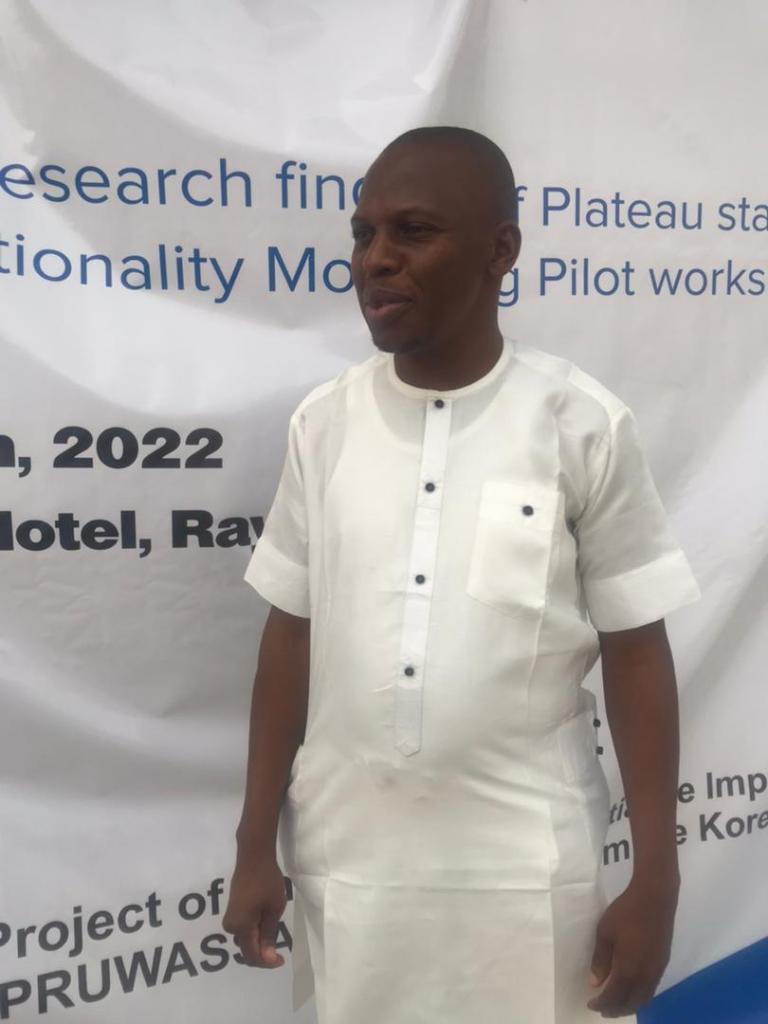
Emmanuel Iorkumbur, Planning Monitoring and Evaluation Manager WaterAid Nigeria Stated that the Government and all stake holders should key in to ensure that the water facilities in rural communities are well managed and maintained for people to have a stable and reliable source of water supply. Mr Emmanuel also stated some challenges encounter during this project, challenges like vandalism, stolen accessories/gadgets and mechanical failure. Some of these challenges lead to disruption of the functionality of the facilities.
Good will messages were taken from the representative of the Honorable Commissioner for Water Resources Plateau State and NEWSAN.

 Nigeria Star News